Costume of Korean Ethnic Group
Introduction
The costume of the Korean ethnic group is a rich tapestry of cultural heritage and traditional craftsmanship, deeply embedded in the lifestyle and customs of their communities. This attire is not just a form of clothing but a significant marker of identity and cultural expression.
Traditional Attire
Hanbok
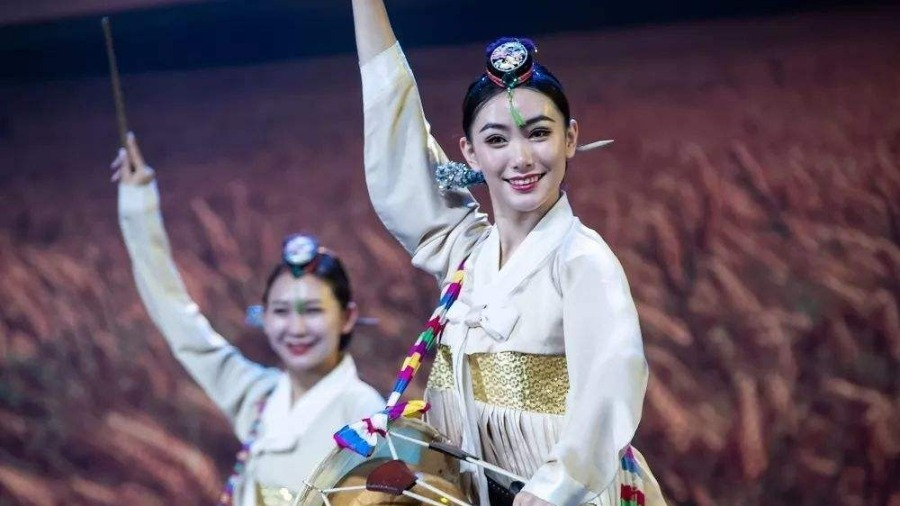
The Hanbok is the traditional attire of the Korean ethnic group, characterized by its vibrant colors, simple lines, and lack of pockets. It is typically composed of a jeogori (a blouse or jacket), and a chima (a wrap-around skirt) for women, while men wear a baji (pants) and jeogori. The Hanbok's design focuses on gracefulness and formality, often depicting the wearer's social status and occasion of wear. Despite its simplicity, the Hanbok is adorned with intricate patterns and often uses silk and other fine materials, adding to its elegance and sophistication. The Hanbok serves as an important cultural symbol, worn during traditional festivals, weddings, and cultural events. It reflects the integration of natural elements, highlighting the Korean people's deep connection with nature.
Accessories
Accessories play a crucial role in complementing the Hanbok, adding to its aesthetic appeal and cultural significance. For women, accessories often include the norigae, which is a traditional Korean ornamental pendant that is hung from the strings of the Hanbok. Other accessories include binyeo (a hairpin used to hold up women's hair), and traditional footwear like beoseon (socks) and gomusin (rubber shoes). Men's accessories may include hats like the gat, which are made from horsehair, and the durumagi, a traditional overcoat worn during colder seasons or on formal occasions. These accessories not only accentuate the beauty of the Hanbok but also convey various cultural meanings and social statuses.
Cultural Significance
The traditional attire of the Korean ethnic group is more than just clothing; it is a vessel of cultural identity and heritage. Each piece of clothing and accessory holds cultural and historical significance, often passed down through generations. The Hanbok, for instance, is deeply tied to the customs and traditions of the Korean ethnic group, symbolizing purity, peace, and harmony. During community festivals and rituals, such as the farmers' dance in Jilin, the attire embodies the essence of the celebration and is a visual representation of the communal heritage. The costumes worn during these events are influenced by the motions and gestures of farming, reflecting the agrarian roots of the Korean ethnic group and their respect for nature and the land.
Preservation Efforts
Efforts to preserve the traditional attire of the Korean ethnic group are evident through various cultural programs and initiatives. These programs aim to educate younger generations about the historical and cultural importance of their traditional costumes, ensuring their transmission and survival. Cultural festivals, workshops, and community events are organized to celebrate and showcase the traditional attire, allowing participants to experience and appreciate their cultural heritage firsthand. These programs play a crucial role in fostering a sense of identity and pride among the Korean ethnic group, promoting the continued practice and evolution of their traditional attire.








